HIPAA Compliance in Healthcare: How The Care Hack Raised the Bar

By Oleksandr Shchetynin · CVO & CO-FOUNDER
- Published
- 3 min read

The Care Hack set a new standard for HIPAA compliance. We helped them move beyond checklists with automated, always-updated policies, clear controls, real-time monitoring, strong encryption, and ongoing training, making security smooth and integrated into daily operations.
Key takeaways
- The HIPAA Security Rule lists 5 technical safeguards in 45 CFR 164.312: access control, audit controls, integrity, person or entity authentication and transmission security.
- The HIPAA Security Rule does not dictate specific measures: organizations choose them by weighing their size, technical set-up, costs and the risks they face.
- Encryption is marked addressable in 45 CFR 164.312. Addressable does not mean optional: adopt it where reasonable, or the rule allows a reasonable alternative with a documented reason.
- The Care Hack's HIPAA package covered six core policies, 43 control points mapped to owners, automated monitoring, encryption, penetration testing and regular training.
- HHS proposed changes to the Security Rule on 27 December 2024 and said the current rule stays in effect while it works on them.
Achieving HIPAA compliance in healthcare isn’t easy. Regulations are constantly evolving, cyber threats grow more sophisticated, and the stakes for data privacy have never been higher. Yet, for many healthtech organizations, the real challenge lies in transforming compliance from a checklist activity into an operational reality.
Why Is It So Challenging?
- Policies must be living documents, regularly updated, enforced, and relevant to day-to-day work.
- Accountability can fall through the cracks if control points don’t have clear owners.
- Manual evidence collection is slow and unreliable, increasing the risk of missed incidents.
- Inconsistent encryption and access controls create gaps in security.
- Keeping staff trained and access reviews up-to-date requires constant attention.
How We Helped The Care Hack Overcome These Hurdles
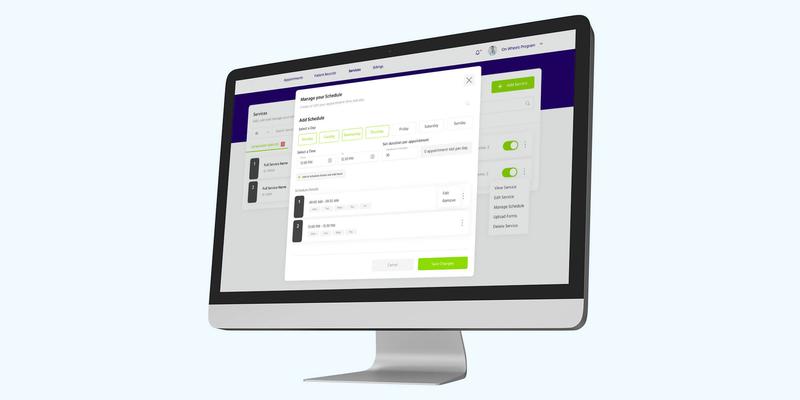
We developed The Care Hack, with a developer and a manager on the project. We recently worked with a healthcare security compliance firm to deliver a HIPAA compliance package for The Care Hack designed to address these exact pain points and raise the standard for healthcare security:
- Actionable Policies: Six core HIPAA policies, including InfoSec, Breach Notification, and more, are versioned, assigned, and formally approved, ensuring they are always up to date and enforceable.
- Clear Ownership: All 43 control points are mapped directly to responsible owners across Access Control, Change Management, Security, Maintenance, Personnel, and Risk domains.
- Real-Time Monitoring: Automated evidence collection and real-time monitoring catch configuration drift the moment it happens, enabling immediate response.
- Strong Security Measures: Encryption protects all data in transit and at rest, enforced by multi-factor authentication and monitored through centralized audit logs.
- Tested Code Security: All the code has passed through penetration testing conducted by a third-party vendor for added peace of mind.
- Continuous Training: The team receives regular cybersecurity training, and role-based access reviews are scheduled automatically to ensure only the right people have the right access at all times.
The Outcome
The Care Hack now benefits from a compliance program that is living, automated, and deeply integrated into daily operations, eliminating the guesswork and significantly reducing risk.
What the HIPAA Security Rule asks of the technical side
The HIPAA Security Rule requires regulated organizations to put administrative, physical and technical safeguards around electronic health information. 45 CFR 164.312, eCFR as of 7 October 2026 lists 5 technical safeguards: access control, audit controls, integrity, person or entity authentication and transmission security.
The rule does not dictate specific measures, HHS says, in a summary reviewed on 7 August 2026. The eCFR marks encryption as "addressable", which HHS says does not mean optional: adopt it where reasonable, or the rule allows a reasonable alternative with the reason documented. HHS proposed changes on 27 December 2024 and says the current rule remains in effect.
Run this checklist on your app. It is our own, goes beyond § 164.312 and is not legal advice.
- Risk analysis: an accurate, thorough assessment of where health data lives and what could go wrong
- Security official: one named person responsible for the security policies
- Access: every user has their own login, and roles decide which records they can open
- Authentication: a documented way to verify that the person logging in is who they claim to be
- Audit trail: a record of who opened or changed which record, and a person who reviews it
- Encryption: a decision on encrypting health data, with the reason written down if you use an alternative
- Backups: a backup of the health data and a restore you have tried
- Business associates: a written business associate agreement with each business associate you permit to create, receive, maintain or transmit the health data
- Training: all workforce members trained on your security policies
- Records: the documentation the rule requires, kept until 6 years after the later of its creation or the date it was last in effect
Next step
Sources
About the author

CVO & CO-FOUNDER
Worked in companies of different sizes, from successful startups to Fortune 500 companies, performing mission-critical responsibilities, developing and implementing high-tech IT solutions for a variety of industries.
More from Oleksandr ShchetyninCategory:Software DevelopmentSecurity and data
Back to Blog